The following Blog post was generated by Gemini AI with the following two prompts. “please draft a blog post that meets the assignment criteria” (bright space assignment page linked) and “Please make this shorter and more direct, answer what the major limitations, of gen AI are, and some possible use cases in an educational setting”
The content it created is adequate, but as a student, my engagement with the material is significantly lower than if I had drafted the blog post myself. This mental outsourcing and lack of critical engagement with the material is (in my opinion) one of the biggest concerns about the use of generative AI. As a whole, I am a proponent for the potential of the technology, but it needs to be used appropriately as a tool, not as a replacement for internal thinking processes.
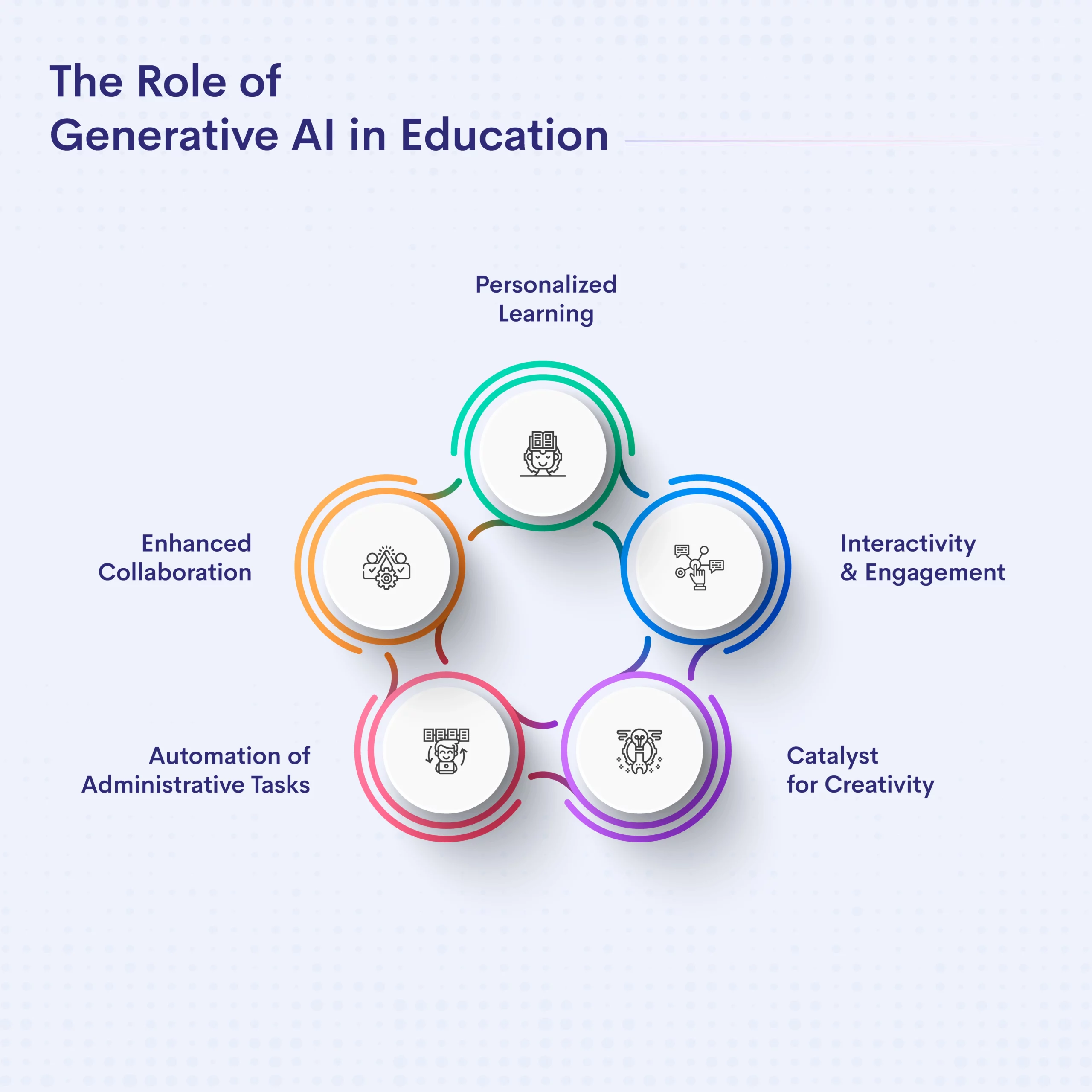
A in depth analysis of Generative AI in an educational setting can be found at https://www.frontiersin.org/journals/education/articles/10.3389/feduc.2025.1647573/full
Navigating GenAI in Education: Limitations & Use Cases
As Generative AI (GenAI) becomes deeply embedded in modern classrooms, we have to look past the hype to evaluate its practical boundaries and actual utility. Here is a direct breakdown of its major limitations and its most effective use cases in education.
Major Limitations of GenAI
While GenAI tools can produce impressive content in seconds, they lack human cognition and present significant risks:
- The “Hallucination” Factor: GenAI does not actually understand facts; it predicts strings of words based on patterns. This leads to confident misinformation—inventing historical citations, distorting scientific facts, or misinterpreting text. It requires rigorous, constant fact-checking.
- Lack of Context and Empathy: AI cannot understand a student’s personal background, emotional state, or unique learning barriers. The output is fundamentally generalized and sterile, requiring heavy human intervention to make it truly useful for a diverse classroom.
- Data Privacy and Exploitation: Many platforms use input data to train future models. Inputting student work or personal data into these systems poses a massive risk to student privacy and data security.
Possible Educational Use Cases
When used as a collaborative tool rather than an automated substitute, GenAI has highly practical applications for educators:
- Automated Administrative Support: Teachers can use GenAI to draft routine emails, format lesson plan outlines, or generate multiple variations of quiz questions, saving hours of prep time.
- Differentiated Resource Generation: It can instantly translate a reading passage into multiple reading levels or format text into structured outlines to support diverse learners.
- Scaffolding and Brainstorming: For students, GenAI acts as an interactive brainstorming partner—helping them outline essays, explain complex concepts in simpler terms, or practice language conversational skills.